Current reference · Diamond education
Choosing a fancy-color diamond you love
A fancy-color diamond is best chosen in layers: start with the color you want to live with, then use the report, cut, measurements, and real listing media to compare individual stones.
- Source context
- Educational reference reviewed November 1, 2026
- IZIOS review
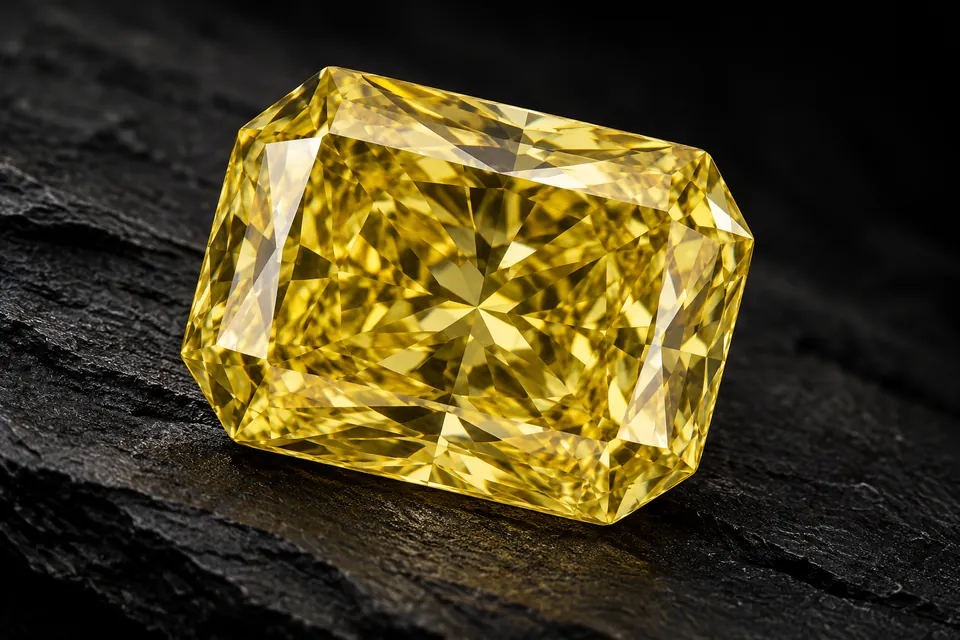
Choosing a fancy-color diamond is less like selecting a paint chip than choosing a tiny object that changes with light, movement, and setting. Start with the color that holds your attention. A pale blush, an electric blue, a warm yellow, and a deep green do not create the same feeling in a ring or pendant. It helps to compare a few diamonds in the same general family before deciding that one screen image represents the whole category. Collection imagery can introduce an idea, but the media and report attached to the individual listing are the evidence for the diamond being considered.
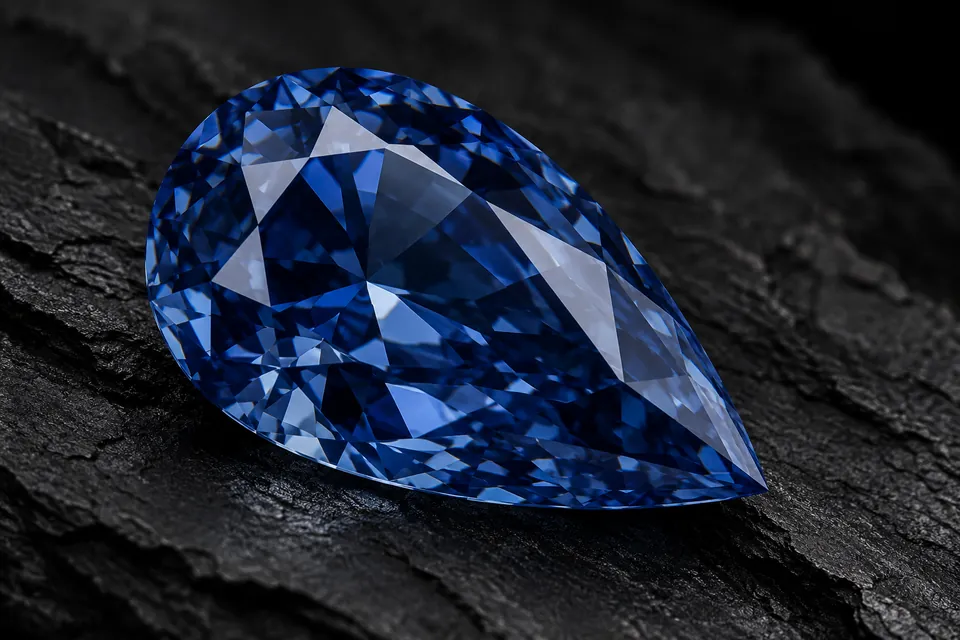
Hue, tone and saturation
Gem laboratories describe colored diamonds through hue, tone, and saturation. Hue is the color family, such as yellow, pink, or blue. Tone describes how light or dark the diamond appears. Saturation describes the strength or richness of the color. Those words are useful because two diamonds can both be called yellow while looking remarkably different: one may be lighter and airy, another warmer, darker, or more intense. Secondary hues matter as well. A report that says orangy yellow or brownish pink is saying more than a first glance at the first color word can convey.
Fancy-color terminology is not the D-to-Z scale used for colorless to light-yellow or light-brown diamonds. GIA explains that a fancy grade combines the effects of tone and saturation. Its terms include Fancy Light, Fancy, Fancy Intense, Fancy Vivid, Fancy Dark, and Fancy Deep. They are descriptive grading categories, not a universal recipe for personal preference. Fancy Vivid often suggests strong saturation with a favorable tone, but a person choosing for a particular setting may prefer a softer color, a deeper body color, or a stone with a secondary hue. Let the full report phrase and the actual appearance do more work than a single status word.
Shape changes the impression
Cut changes what reaches the eye. In a colorless round brilliant, a cutter may prioritize brightness, scintillation, and symmetry. In a fancy-color diamond, the face-up appearance of color can be a major consideration. GIA notes that some fancy shapes and cutting styles can intensify visible color; radiants are a familiar example with yellow diamonds. That does not make one shape best for every color or wearer. A cushion, pear, oval, or radiant can all have a compelling personality. Watch the individual video for uneven color, dark areas, or a pattern that may matter to you, then use the millimeter measurements and length-to-width ratio to understand its outline.
A useful comparison keeps several facts visible at once. Consider two elongated yellow diamonds of the same carat weight: a radiant may face up with a different outline and concentration of color than an oval, and the millimeter dimensions may make one look larger or more slender. Add a yellow-gold setting to the first and white metal to the second, and the impression changes again. The report number, full color wording, measurements, clarity information, and listing media give that comparison more substance than carat weight or a single adjective can.
What a screen can show
Screens are best used for comparison, not as a substitute for controlled grading. Camera white balance, light source, compression, display calibration, and nearby colors all affect the impression of color. Use the images and video to notice which diamond draws you in, then keep the report beside them as you compare. The aim is not to become a color scientist. It is to recognize why two stones with related names can feel genuinely different.