Current reference · Heirloom jewelry
What we keep: heirloom jewelry and the work of a reliquist
A ring can outlive the person who first wore it. Reliquary jewelry asks how we preserve the memory inside it, as well as the object itself.
- Source context
- Contemporary concept feature reviewed November 1, 2026; terminology and program scope distinguished
- IZIOS review
Think of a ring kept in a drawer long after it stopped fitting anyone. Its value to the family may have little to do with its weight or its stones. Someone remembers the hand that wore it, the sound it made against a cup, or the occasion when it was given. Those details can make an ordinary object irreplaceable. They can also disappear surprisingly quickly when no one writes them down.
An heirloom becomes meaningful through that connection. Age alone cannot supply it, and a newly made piece need not wait a century to begin carrying a family story. A pendant commissioned after a loss, a wedding band remade for a child, or a small object saved from a shared home can all be intended for someone beyond the first owner. What matters is that the next person has a way to understand why it was kept.
What makes a piece a reliquary?
Reliquary jewelry makes the connection physical. A wearable reliquary may contain a small memorial inclusion or a keepsake; other pieces represent someone without enclosing material. Reliquist.org’s guide includes jewelry alongside glass, vessels, inherited objects and symbolic forms. That breadth is useful: it allows the object to be described without assuming that every family gives it the same spiritual or emotional meaning. A memorial ring and a devotional object can share a form while serving different purposes.
What, then, is a reliquist? In the broad sense used here, the word describes a maker or steward of objects that carry memory. Making the object is one part of the work. Understanding what it will contain, how it will be cared for and what information should accompany it can matter just as much. The International Reliquist Guild presents a professional framework for this field; the term itself should not be read as proof that a particular person holds a credential.
For a maker, those questions become practical design decisions. Will the object be worn or displayed? Is the inclusion meant to be visible? Could a future jeweler recognize the construction before attempting a repair? A discreet chamber changes the relationship between the public face of a jewel and its private meaning. The wearer may choose a beautiful ring without wanting to explain its contents whenever someone notices it.
Memory within the design
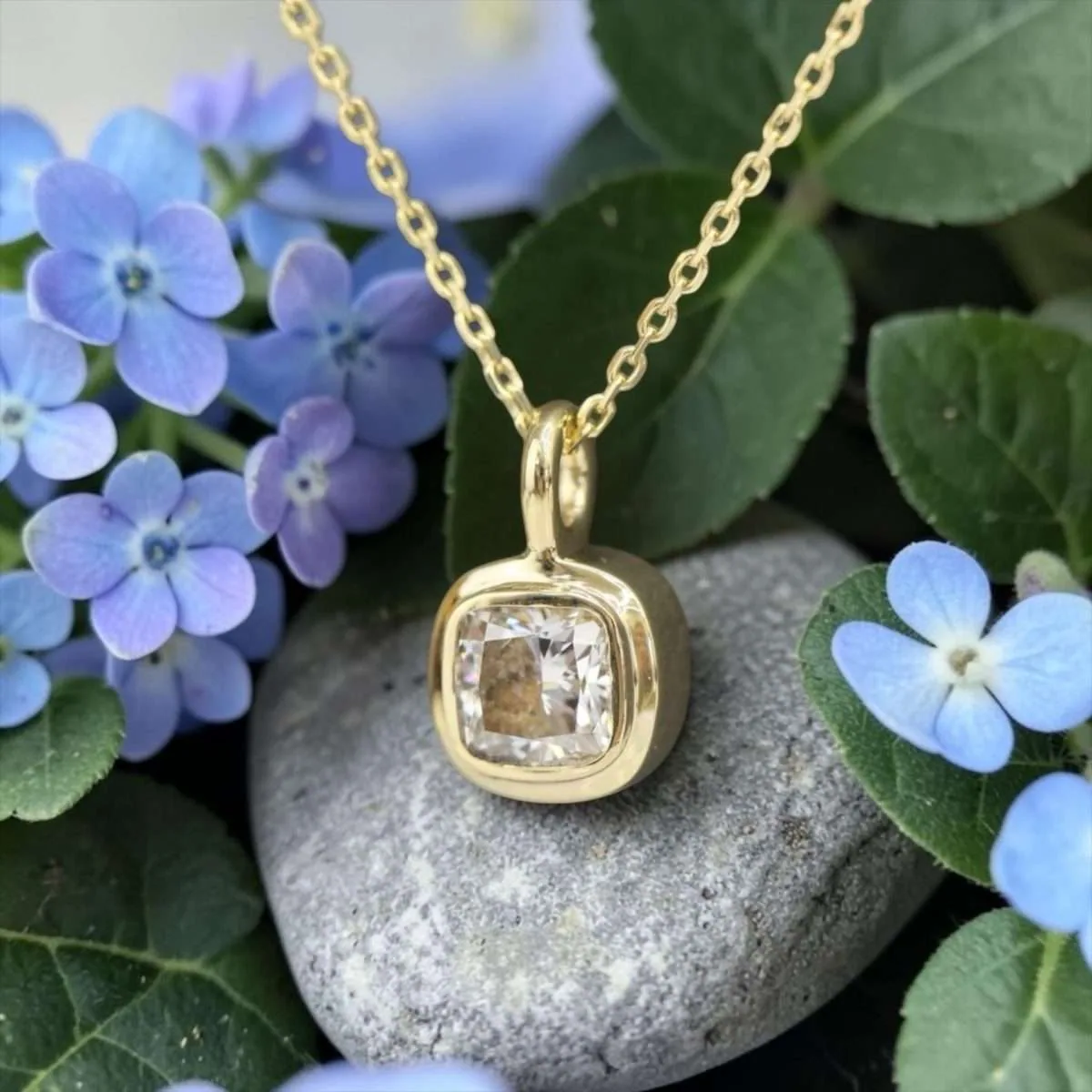
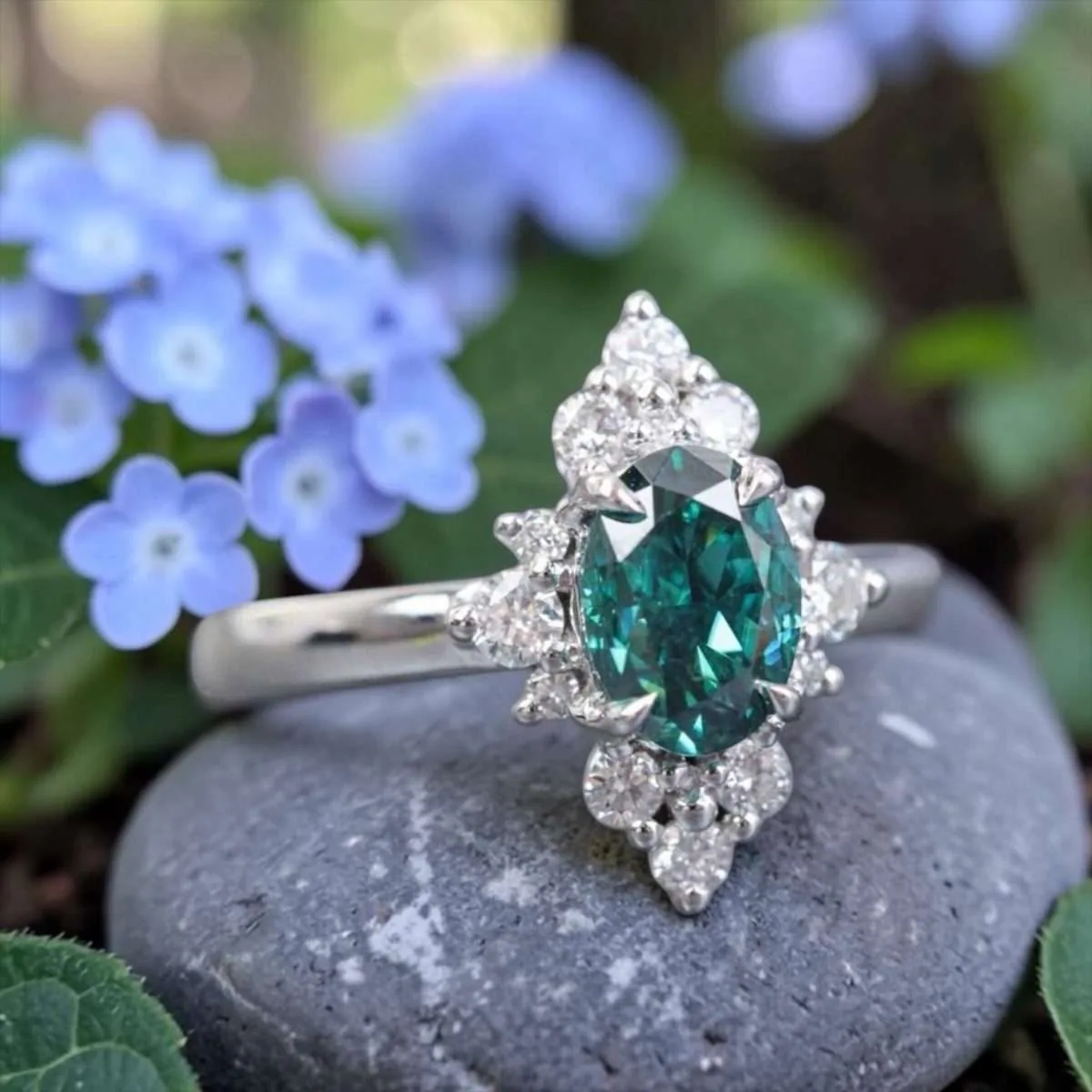
Sugarberry Memorials’ Genesis pendant offers one example. Its product description places memorial material within the gold piece and describes the lab-grown diamond as a separate component. In the Polaris ring, the maker describes a chamber beneath the main stone, with different stone configurations available. The memory is held within the jewelry’s construction. These examples do not involve growing the featured diamond from ashes, and the colored Polaris center pictured here should not be assumed to be a diamond.
The photographs also show how personal the choice of form can be. A pendant hangs differently from a ring and occupies a different place in someone’s daily routine. One person may want the object close but out of sight; another may want to see it while working or reading. Neither approach makes the memory more sincere. The useful design question is how the piece will fit the life of the person who receives it.
Reliquism is a helpful name for the idea behind this care, rather than a rule everyone must adopt. As used in this article, it means attending to the relationship between an object, its meaning and the people who will look after it. It leaves room for a keepsake to be secular, spiritual, celebratory or connected with grief. The material does not have to tell the whole story. It needs to leave room for the person’s own account.
The story that travels with it
That account can be simple. A short note might explain whose ring this was, why it was altered and which details of its history are certain. A photograph can show how it looked before a repair. A maker’s description can identify a sealed inclusion so that a future repairer knows it is there. These records serve different purposes: a family memory can be valuable even when it is not a documented historical fact. Keeping the two distinguishable preserves both.
Privacy belongs in that record too. Not every detail needs to follow the jewelry into a public listing or registry. A family can keep a private account with the piece and share only the information necessary for its care. Reliquist.org’s guidance emphasizes this distinction between documenting an object and exposing the people connected to it. Before passing a piece on, consider both what its next keeper should know and what was never intended for a wider audience.
An heirloom does not require an elaborate origin story. Sometimes the most useful sentence is simply, ‘She wore this every day.’ Written down, it gives the next person something a metal mark or gemstone report cannot. A reliquary can protect a physical inclusion; the people who care for it keep the meaning intelligible. That work can begin with the first owner, while the small details are still easy to remember.
The Genesis and Polaris photographs are supplied by Sugarberry Memorials and used with owner authorization. Sugarberry Memorials and IZIOS are related businesses. The pieces illustrate different approaches to memorial jewelry; their inclusion here does not imply a Reliquist registry record or endorsement.